

Introduction
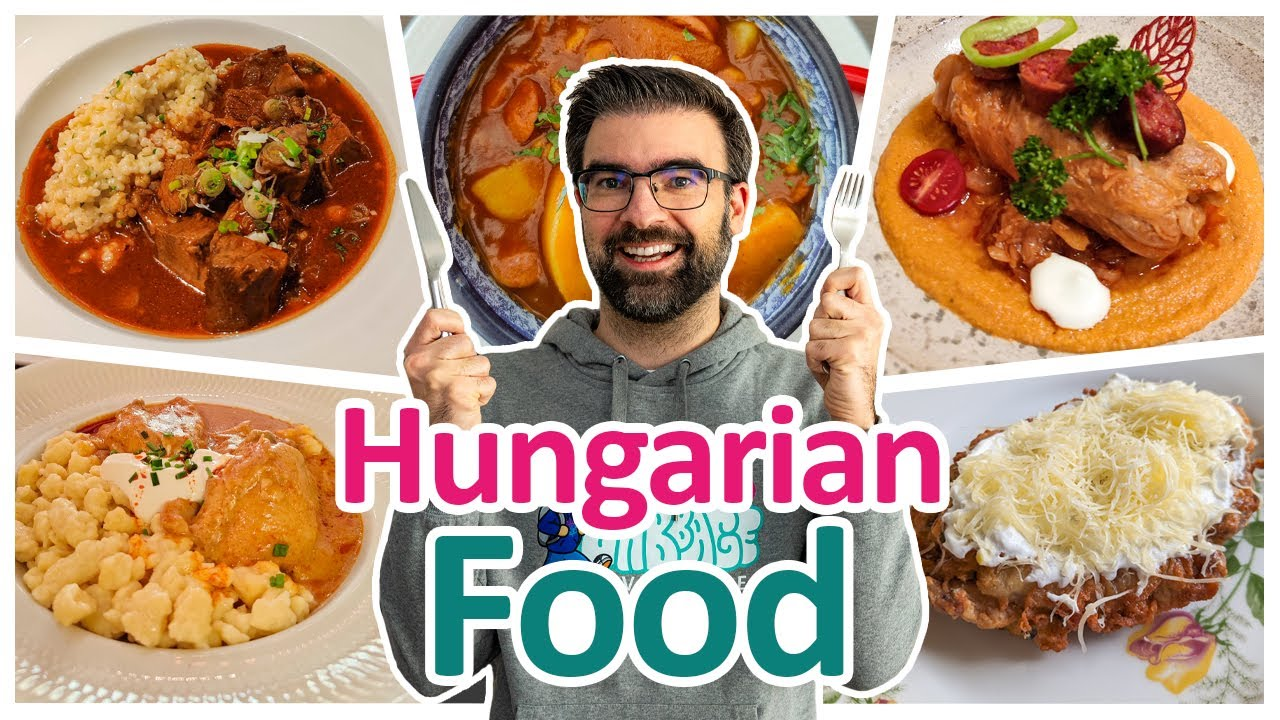
Hungarian food is one of Europe’s most expressive and culturally rich cuisines, shaped by centuries of tradition, migration, and culinary craftsmanship. Known for its bold spices, hearty dishes, and comforting aromas, Hungarian food represents far more than recipes—it reflects Hungary’s identity, history, and way of life.
From rustic stews simmered slowly over open flames to delicate pastries perfected in royal kitchens, Hungarian food continues to attract chefs, travelers, and food lovers from around the world. This article explores its origins, flavors, iconic dishes, and the cultural spirit that gives Hungarian cuisine its unmistakable charm.
The True Essence of Hungarian Food
What makes Hungarian food so special is its approachability. The ingredients are simple—meat, vegetables, fresh dairy, paprika, garlic—yet the combinations produce deep, layered flavors. Hungary’s cuisine is warm, generous, and soulful, crafted to bring people together around the table.
Hungarian cooking emphasizes slow preparation, allowing spices and aromatics to build richness naturally. Dishes feel rustic but refined, powerful yet comforting. This balance has helped Hungarian food earn a timeless place in European gastronomy.
A Culinary History Rooted in Migration & Influence
Hungary’s history—marked by the Magyars, Ottomans, Habsburgs, and surrounding Slavic cultures—has shaped its cuisine into something uniquely diverse.
Influences that shaped Hungarian food:
- Magyar traditions: open-fire cooking, hearty soups, nomadic techniques
- Ottoman period: stuffed vegetables, new spices, grilling traditions
- Austro-Hungarian era: refined pastries, desserts, and café culture
- Slavic neighbors: pickling, preserving, and rich stews
These influences didn’t replace each other—they blended. The result is the rich culinary identity we now recognize as Hungarian food, a cuisine that tells a story with every bite.
Paprika: The Soul of Hungarian Food
You cannot talk about Hungarian food without celebrating paprika. While many countries use paprika, Hungary elevated it to an art.
Why paprika is so important:
- Gives dishes their signature deep red color
- Adds sweet, smoky, or hot layers of flavor
- Symbolizes Hungarian heritage
- Used in almost every iconic recipe
Besides paprika, Hungarian kitchens rely heavily on onions, garlic, bay leaves, caraway seeds, and lard. These aromatics create the unmistakable fragrance that defines Hungarian food.
Signature Dishes That Represent Hungary
Some dishes are so iconic they’ve become ambassadors of Hungarian culture.
Gulyás (Goulash)
A hearty beef soup enriched with paprika, root vegetables, and gentle herbs. Unlike many global versions, authentic Hungarian goulash is lighter, brothier, and deeply aromatic.
Pörkölt (Paprika Stew)
A thicker, richer cousin of goulash, pörkölt uses beef, pork, or game meat simmered slowly until tender. Its simplicity highlights the beauty of Hungarian food.
Chicken Paprikash
Creamy, comforting, and traditionally served with nokedli dumplings. Its velvety sauce and warm paprika flavor make it a household favorite.
Hortobágyi Palacsinta
Savory crepes filled with meat stew and topped with a creamy paprika sauce. Classic comfort food.
These dishes reveal the soul of Hungarian food—simple, flavorful, and deeply rooted in tradition.
The Comfort of Hungarian Soups & Stews
Hungary is famous for its hearty soups, many of which are substantial enough to serve as main meals.
Must-try traditional soups:
- Halászlé (Fisherman’s Soup): intensely spicy, paprika-rich, and perfect for seafood lovers
- Jókai Bean Soup: thick, creamy, and filled with smoked meats
- Lecsó: a vibrant stew of peppers, tomatoes, and onions
These soups showcase the warmth and home-style comfort that define Hungarian food, especially during winter months.
Street Food and Everyday Favorites
Modern Hungary has a thriving street-food scene that blends traditional flavors with contemporary flair.
Popular Hungarian street foods:
- Lángos: deep-fried dough topped with sour cream and cheese
- Kolbász: juicy sausages infused with paprika
- Pogácsa: soft, savory cheese biscuits
- Töltött káposzta on-the-go: cabbage rolls packed with smoky flavors
These convenient, flavorful snacks prove that Hungarian food thrives both in home kitchens and on busy city streets.
Pastries & Desserts That Shaped Café Culture
Hungary’s dessert tradition is among Europe’s finest. Influenced by royal courts and Viennese pastry mastery, Hungarian sweets are elegant yet comforting.
Beloved Hungarian desserts:
- Dobos Torte: layered sponge with caramelized top
- Kürtőskalács (Chimney Cake): sweet, spiraled, caramel-coated pastry cooked over coals
- Rétes: Hungary’s take on strudel—thin, flaky, and filled with fruit or cheese
These pastries reflect the artistry and sophistication of Hungarian food, often enjoyed in historic cafés across Budapest.
How Hungarian Food Changes by Region
Hungarian food isn’t the same everywhere. Geography and history have created unique local specialties.
Examples of regional diversity:
- Great Hungarian Plain: classic goulash, hearty stews
- Transdanubia: creamy soups, freshwater fish dishes
- Northern regions: rich pastries and wine-forward cuisine
- Lake Balaton: summer dishes, fried fish, fresh produce
These regional variations add depth and diversity to the world of Hungarian food.
Culture, Traditions, and the Hungarian Dining Experience
Meals in Hungary are social events, often lengthy and filled with stories. Traditional meals begin with soup, followed by a warming main course, and end with pastries.
Cultural elements of dining:
- Generous hospitality
- Slow, intentional eating
- Seasonal ingredients
- Respect for recipes passed down through families
This communal approach is part of what makes Hungarian food feel so emotionally meaningful.
Hungarian Wines & Drinks That Enhance the Cuisine
Hungary’s wine heritage is centuries old, with many varietals perfectly suited to local dishes.
Notable pairings:
- Tokaji Aszú → Desserts
- Egri Bikavér (Bull’s Blood) → Stews and roasted meats
- Furmint → Poultry and creamy dishes
- Pálinka → A traditional fruit brandy enjoyed with meals
These beverages elevate the flavor experience and highlight another dimension of Hungarian food.
Why Hungarian Food Continues to Stand Out
In a world of globalized food trends, Hungarian food remains refreshingly authentic. Its flavors are bold, its ingredients accessible, and its techniques timeless. Chefs continue reinventing classic dishes, yet the soul of the cuisine remains unchanged—warm, welcoming, and memorable.
This enduring charm is why Hungarian food continues to gain recognition among travelers, home cooks, and culinary experts worldwide.
Conclusion
Hungarian food is a celebration of history, family, and flavor. Its paprika-rich stews, comforting soups, irresistible pastries, and warm traditions make it one of Europe’s most captivating culinary treasures. Whether enjoyed at a Budapest café or prepared in your own kitchen, Hungarian food invites you into a world of rich heritage and unforgettable taste.
FAQ About Hungarian Food
Is Hungarian food spicy?
Not usually—paprika adds depth and flavor, not heat, unless hot paprika is used.
What is the national dish of Hungary?
Gulyás (goulash) is widely recognized as the national dish.
What desserts are popular in Hungary?
Dobos torta, rétes, and kürtőskalács are among the most iconic.
Is Hungarian food healthy?
It can be hearty, but many dishes rely on fresh vegetables, meats, and natural spices.
Can beginners cook Hungarian dishes easily?
Yes—most Hungarian recipes use simple techniques and everyday ingredients.